
Beyond the Garden: Why Long-Term Partnerships Matter in Sustainable Agriculture Education
A learning space is only as valuable as the learning that continues to happen within it.
Across Indonesia, schools, organizations, and businesses are investing in educational facilities that give students greater access to practical learning. Yet one question often receives less attention: what happens after the space is built?
For experiential learning to create lasting impact, it needs continuity. Students need opportunities to return, practice, reflect, and build on what they learned before. Teachers need spaces they can integrate into their lessons over time. Partnerships need to extend beyond implementation and become part of the learning process itself.
This belief has shaped Green School Foundation's collaboration with SMK Negeri 1 Petang over the past three years.
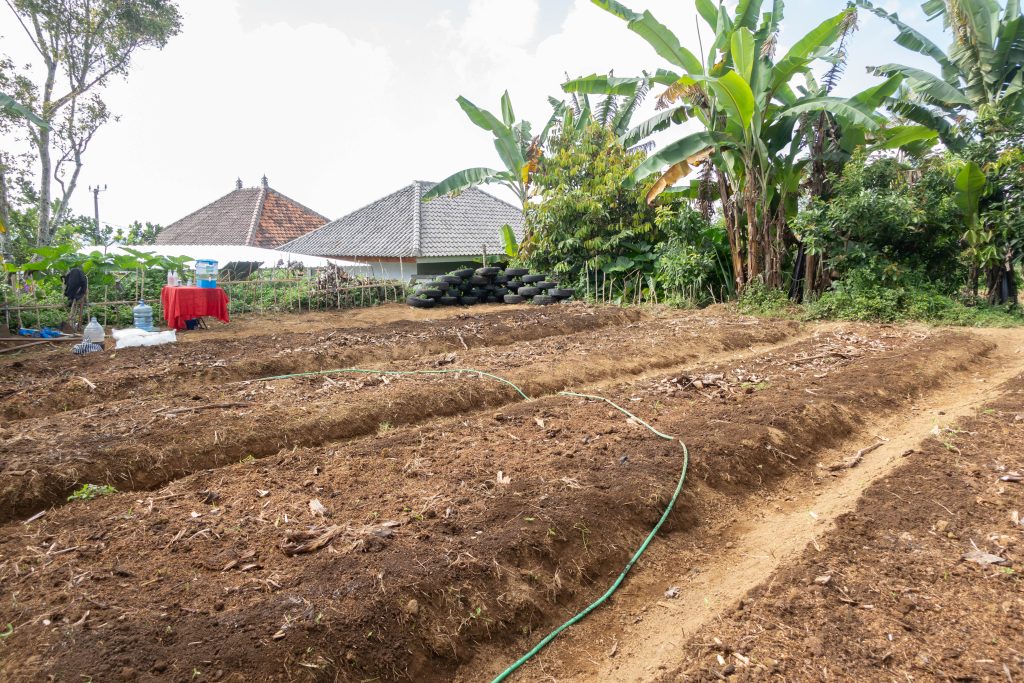
Supported by Best Water Technology, the partnership established a dedicated learning garden near the school where students can develop practical skills in sustainable agriculture. Designed as an extension of the classroom, the space allows students to engage directly with agricultural systems while complementing the knowledge they gain through formal education.
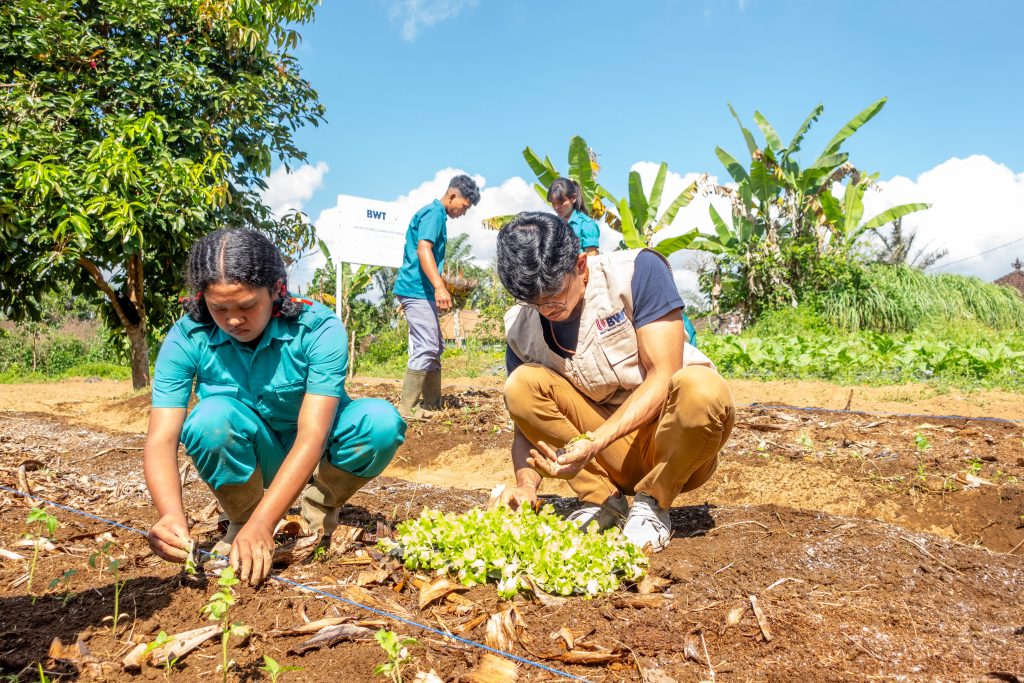
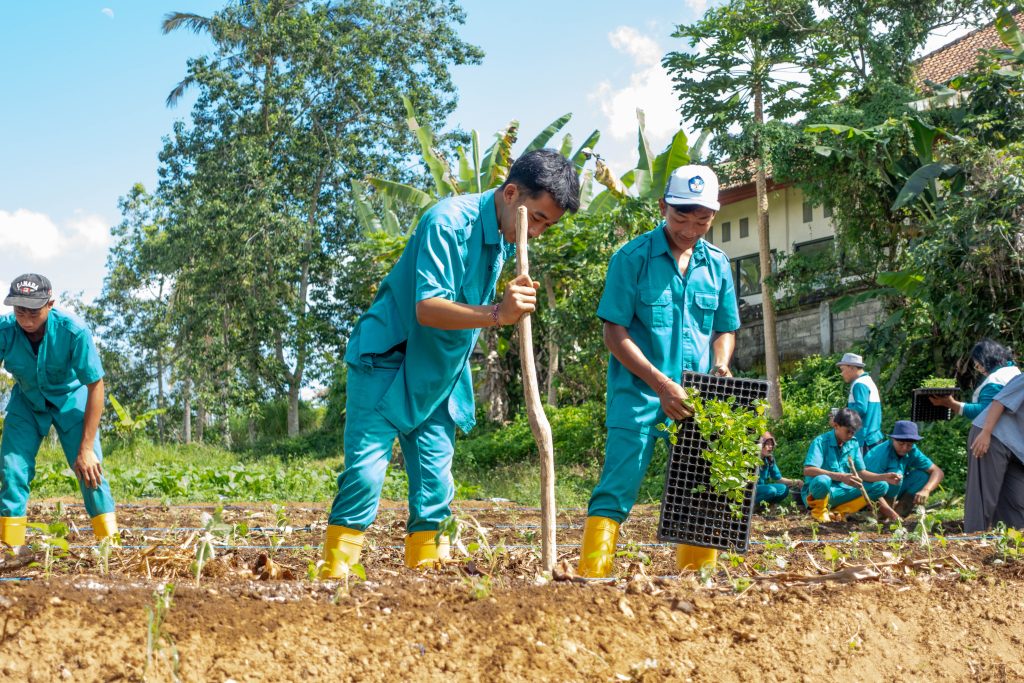
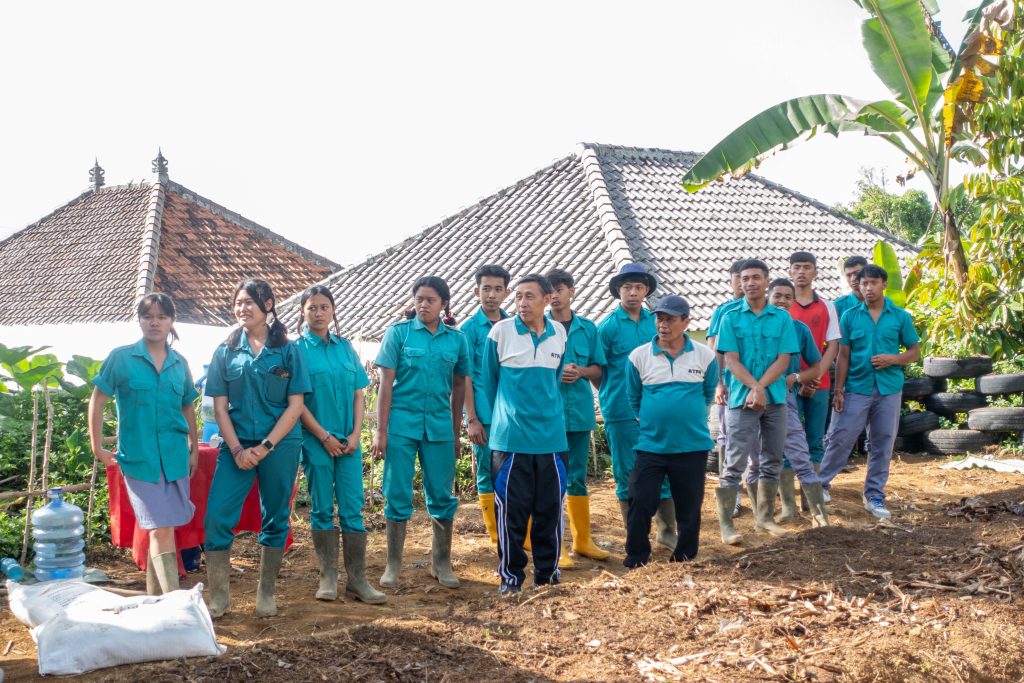
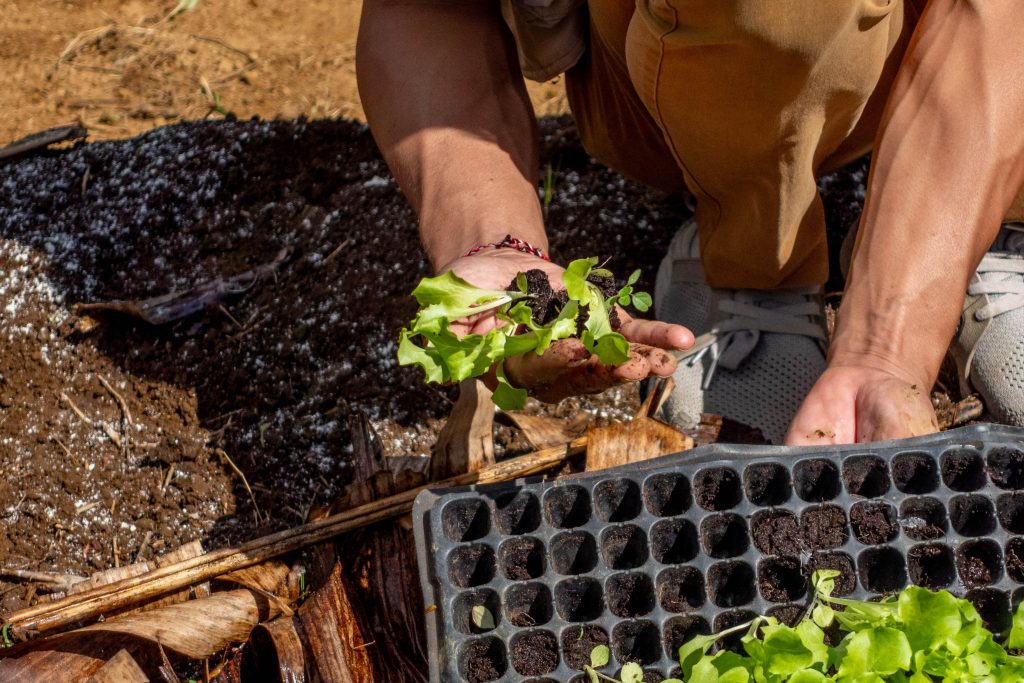
Last month, that partnership continued with another hands-on permaculture session involving 20+ participants, including students, teachers, and the Green School Foundation team. Together, they prepared the soil and planted new seedlings, maintaining both the garden and its role as an active learning environment.
Learning Through Repetition
Agriculture is shaped by cycles rather than single moments. Soil changes over time. Crops respond differently to each season. Healthy ecosystems depend on continuous care rather than isolated interventions.
The same principle applies to education.
Developing practical skills requires repetition. Students learn more when they revisit the same environment, observe changes, test different approaches, and understand how each decision influences the next stage of growth. A single workshop may introduce new ideas, but sustained practice is what transforms knowledge into competence.
Returning to the learning garden gives students exactly that opportunity. Preparing soil is no longer an isolated exercise; it becomes part of a broader understanding of soil health. Planting seedlings is no longer simply about putting plants into the ground; it is connected to earlier observations and future responsibilities as students monitor their growth.
Partnerships That Continue Beyond a Project
Educational partnerships are often measured by what they deliver: a training session completed, equipment installed, or facilities handed over.
While these milestones are important, they represent the beginning rather than the end of meaningful collaboration.
Long-term partnerships create the conditions for learning to evolve. They allow schools to continue using resources as intended, provide opportunities for partners to learn alongside educators, and strengthen programs through ongoing engagement rather than one-off activities.
Our collaboration with SMK Negeri 1 Petang reflects this approach. Over the past three years, the partnership has focused not only on creating a learning space but also on ensuring that it remains relevant and actively used. Regular engagement helps maintain the garden while reinforcing the practical experiences that make sustainable agriculture education meaningful.
This continuity is made possible through the shared commitment of Green School Foundation, SMK Negeri 1 Petang, and Best Water Technology. Each partner contributes differently, but all are working toward the same goal: giving young people access to learning experiences that prepare them for the environmental challenges ahead.
Creating Conditions for Better Learning
Experiential education is not defined by a single activity. It is built through environments that encourage curiosity, experimentation, and continuous practice.
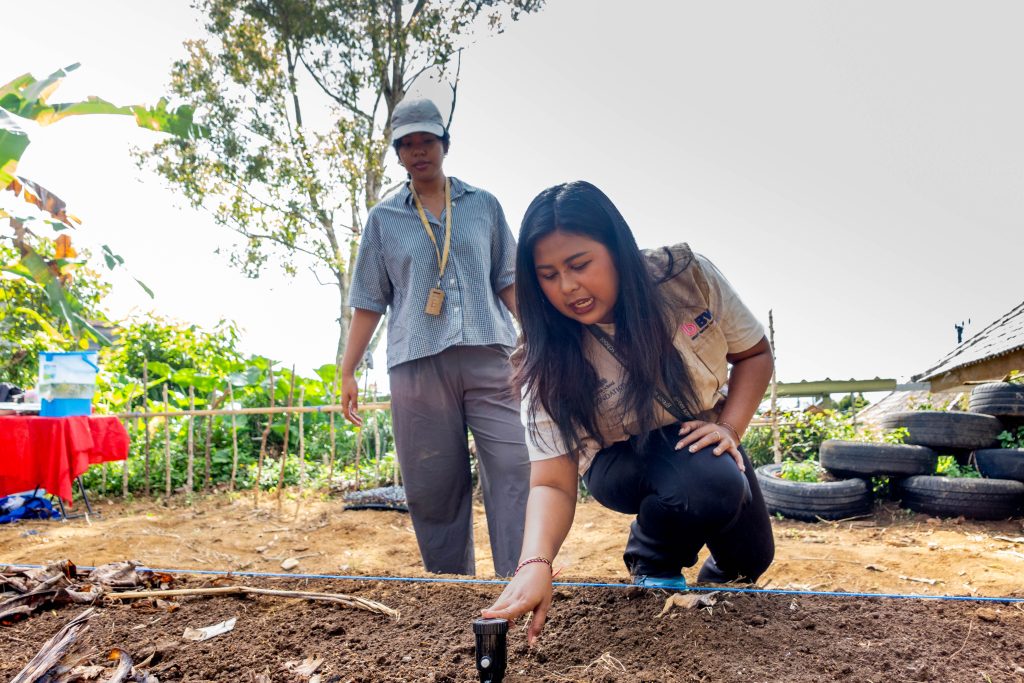
When students have consistent access to these opportunities, they develop more than technical knowledge. They begin to understand systems, recognise patterns, and appreciate the relationship between healthy ecosystems and resilient communities. These are perspectives that cannot be fully developed through theory alone.
The learning garden at SMK Negeri 1 Petang demonstrates what becomes possible when schools, nonprofit organizations, and private-sector partners invest not only in infrastructure but also in the long-term relationships needed to keep that infrastructure alive.
As the garden continues to evolve, so does the learning that takes place within it. That is the value of partnership, not simply creating opportunities, but ensuring they continue to benefit students long after the first seed has been planted.